

big mirror panels
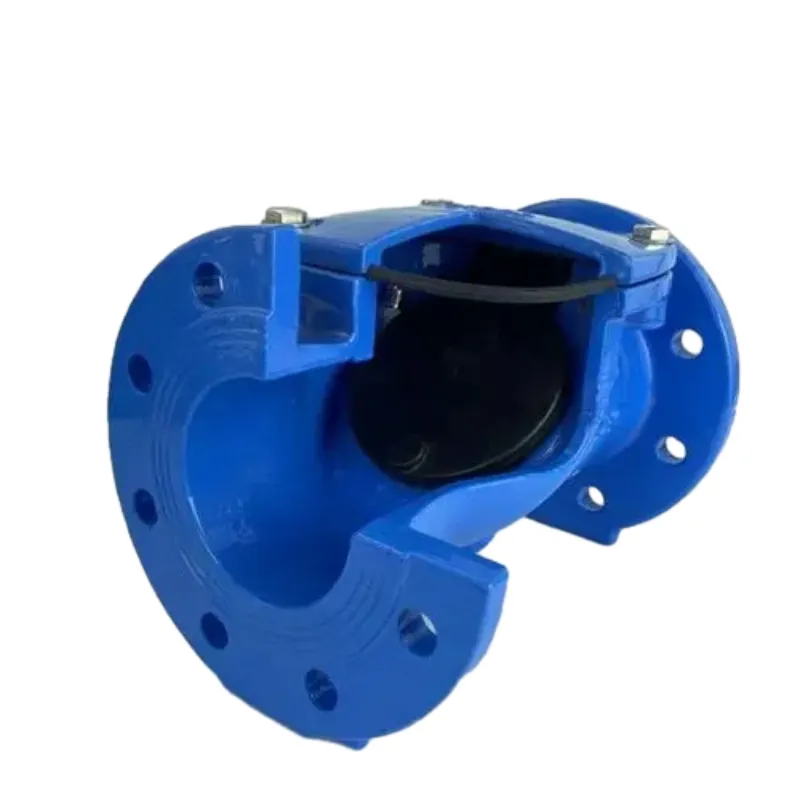
Understanding the Globe Valve A Comprehensive Guide to the 6-Inch Model Globe valves are crucial components in various piping systems, designed to regulate and control fluid flow. Among the various sizes and configurations, the 6-inch globe valve stands out for its extensive application in industries such as water treatment, oil and gas, and chemical processing. This article delves into the features, functions, and advantages of a 6-inch globe valve, providing insights for engineers, project managers, and maintenance personnel. What is a Globe Valve? A globe valve is a type of valve that uses a spherical body to regulate flow. The design includes a movable disk or plug and a stationary ring seat. Unlike gate valves, which are primarily meant for on/off control, globe valves are designed to provide fine control over the flow and pressure in a pipeline. The unique internal structure allows the valve to deliver a more linear flow characteristic, making it ideal for applications requiring precision, such as throttling or modulating flow rates. Features of a 6-Inch Globe Valve 1. Size and Configuration The 6-inch size denotes the nominal diameter of the valve opening, making it suitable for moderate to high flow applications. The valve’s design may vary from threaded to flanged connections, accommodating various installation environments. 2. Material Construction Globe valves come in different materials such as brass, stainless steel, and cast iron. The choice of material impacts the valve's durability, resistance to corrosion, and suitability for specific fluids, including aggressive chemicals or high-temperature services. 3. Operating Mechanism 6-inch globe valves can be operated manually via a handwheel or electronically using actuators for automated control. The operating mechanism significantly influences the valve's response time and ease of use. 4. Flow Direction Globe valves can be installed in any orientation, although vertical installations are less common due to potential sediment buildup. Understanding flow direction is key to ensuring the correct operation and longevity of the valve. Advantages of Using a 6-Inch Globe Valve globe valve 6 inch 1. Control and Precision One of the primary advantages of using a globe valve is its ability to provide precise control over the flow of liquids and gases. This makes it essential in applications where maintaining specific flow rates is critical. 2. Throttling Capability Globe valves excel in throttling applications, making them ideal for use in systems where variable flow is necessary, such as cooling systems in power plants or HVAC systems in commercial buildings. 3. Leakage Minimization The design of the globe valve reduces leakage significantly compared to other valve types. This characteristic is particularly beneficial in applications where containment of the medium is essential, such as hazardous material handling. 4. Versatility The versatility of 6-inch globe valves allows for use in various industrial sectors, including oil and gas, water supply systems, and chemical manufacturing. Their robustness and reliability play a vital role in maintaining operational efficiency and safety. Installation and Maintenance Considerations When installing a 6-inch globe valve, it is crucial to follow proper procedures to ensure optimal performance. This includes checking for compatibility with existing piping systems, ensuring the correct orientation during installation, and avoiding the use of excessive force that may damage the valve seat. Maintenance of globe valves typically involves regular inspections to check for wear and tear, ensuring that sealing surfaces are intact to prevent leaks. Lubrication of moving parts and periodic testing of the valve operation can prolong the lifespan of the valve and ensure reliable service. Conclusion The 6-inch globe valve is a robust and versatile component widely used in many industries for fluid control. Its ability to provide precise regulation, minimize leakage, and adapt to various environments makes it indispensable in modern engineering applications. Understanding its characteristics, advantages, and maintenance needs can significantly contribute to improved operational efficiency and safety in any piping system. Whether you are an engineer specifying systems or a technician performing routine checks, knowledge of the 6-inch globe valve is fundamental to ensuring successful project execution.
about
big mirror panels
How to Replace Your Main Water Valve Shut Off A Step-by-Step Guide A main water valve shut off is a crucial component of your home’s plumbing system. It controls the flow of water into your home, ensuring that you can easily turn off the water during emergencies or when conducting repairs. Over time, these valves can wear out, leak, or become difficult to operate. Learning how to replace your main water valve shut off can save you money on plumbing bills and give you greater control over your home’s water supply. Why You Should Replace Your Main Water Valve Shut Off There are several reasons why you might need to replace your main water valve shut off. One of the most common issues is wear and tear that leads to leaks. A leaking valve can waste water and potentially lead to more significant plumbing issues if not addressed promptly. Additionally, if your valve is old or corroded, it may become almost impossible to turn off, which can be a serious problem during a plumbing emergency. Tools and Materials Needed Before you begin the replacement process, gather the following tools and materials - Adjustable wrench - Pipe wrench - Teflon tape - Replacement valve (make sure to get the right size) - Bucket or towel (to catch any water that may spill) Step-by-Step Process 1. Turn Off the Water Supply Before you do anything, locate your main water supply and turn it off. This is often found at the meter outside your home . If you cannot locate it, call your local water utility for assistance. replace main water valve shut off 2. Drain Your Pipes To avoid a mess, open your faucets and let the water drain from your pipes. This step is crucial, as it minimizes the water that may leak when you remove the old valve. 3. Locate the Main Shut-Off Valve Typically, this valve is found near where the water line enters your home, often in the basement or crawl space. 4. Remove the Old Valve Using the adjustable and pipe wrenches, carefully loosen the nuts and bolts attaching the valve to the pipe. Be cautious as you do this; there may still be residual water in the pipes. 5. Prepare the Pipe Once the old valve is removed, inspect the copper or PVC pipe for any damage. Clean the threads on the pipe where the valve was attached, ensuring that there is no old tape or debris. 6. Install the New Valve Wrap Teflon tape around the threads of the pipe to ensure a watertight seal. Attach the new shut-off valve to the pipe, tightening it with the wrench but being careful not to over-tighten, as this can cause damage. 7. Test the Installation Before reassembling everything, it’s a good idea to test the valve. Slowly turn the water supply back on, and check for any leaks around the new shut-off valve. If everything looks good, you can then fully turn the water back on and check the faucet. 8. Final Checks Once you’re satisfied with the installation, clean up your workspace, and store your tools. Make sure to inform all household members of the new valve’s location and operation. Conclusion Replacing your main water valve shut off is a manageable DIY task that can safeguard your home and improve your water control. With the right tools and preparation, this task can be accomplished in just a few hours. Regular maintenance and inspections of your valves can lead to fewer plumbing problems down the road. If you feel at any point that this task is beyond your skill level, it’s wise to consult or hire a professional plumber. By taking control of your plumbing repairs, you can maintain a functional and efficient home.
-

High quality industrial productsagement

High quality industrial products
View Details -

Meet the diverse needs of customers

Meet the diverse needs of customers
View Details -

Strict quality control

Strict quality control
View Details -

Top raw materials

Top raw materials
View Details -

Trusted supplier

Trusted supplier
View Details
Our application

news and information
Valve Types & Applications
The valve industry is a cornerstone of modern infrastructure, serving critical roles in plumbing, oi

water valve main
Understanding Water Valve Main Key Components and Importance Water valves are critical components in

welding table heavy duty
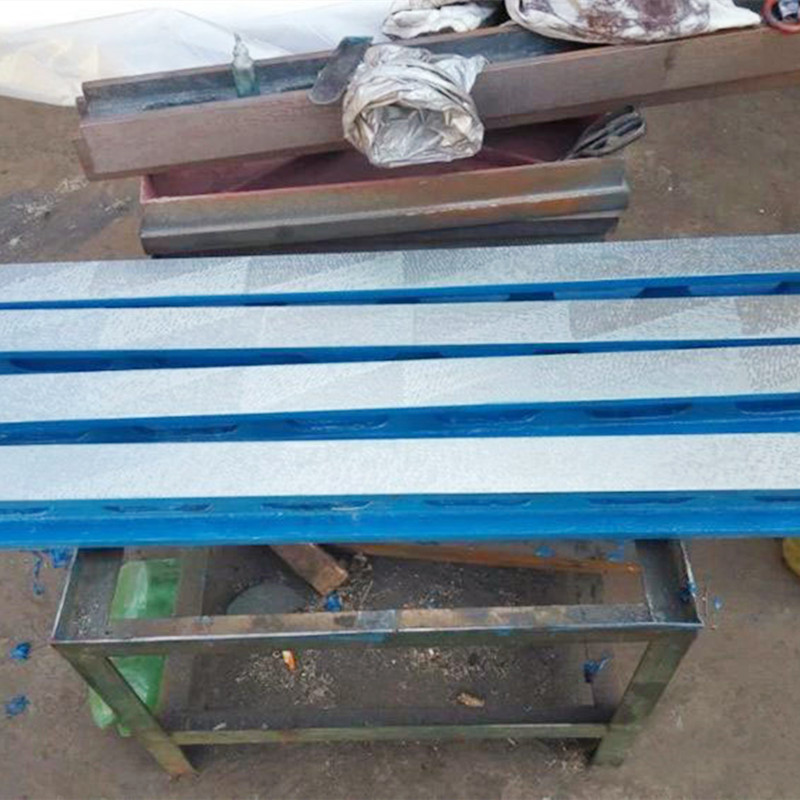
Heavy Duty Welding Tables The Backbone of Metal Fabrication Welding is an essential process in metal
 English